Vedic Secrets to END Any Addiction (Life-Changing) | Ashu Sir
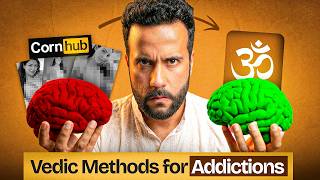
Vedic Secrets to End Addiction and Boost Self-Discipline (Science and Fun Motivation)
This video from Science and Fun Motivation, featuring Ashu Sir, explores powerful Vedic principles and practical techniques to combat various forms of addiction, enhance focus, and cultivate self-discipline, particularly beneficial for students facing academic pressure.
---
1. Summary
The video presents a holistic approach to overcoming addictions like dopamine and phone addiction, and improving concentration, by drawing from ancient Vedic wisdom. It introduces core concepts such as Swadhyaya (self-awareness) and Vairagya (detachment), alongside practical tools like specific breathing exercises and habit replacement strategies. These methods are presented as effective for students preparing for competitive exams and board exams, aiming to help them regain control of their minds and achieve their academic goals.
---
2. Key Takeaways
* **Vedic wisdom offers practical solutions for modern-day addictions:** The video emphasizes that ancient Indian philosophy provides effective methods for controlling desires and improving mental focus.
* **Understanding Addiction:** Addiction is framed as a lack of self-control stemming from the mind's constant pursuit of pleasure and avoidance of discomfort.
* **Core Vedic Principles:**
* **Swadhyaya (Self-Awareness):** Understanding one's thoughts, desires, and triggers is crucial for managing addiction.
* **Vairagya (Detachment):** Cultivating a sense of non-attachment to fleeting pleasures and external validation.
* **Practical Techniques:**
* **Breathing Exercises (Pranayama):** Specific breathing techniques are recommended to calm the mind and improve focus.
* **Habit Replacement:** Replacing negative addictive habits with positive, productive ones.
* **Mind Control is Key:** The ultimate goal is to gain control over one's own mind rather than being controlled by external stimuli or cravings.
* **Benefits for Students:** These techniques are directly applicable to students struggling with phone addiction, lack of concentration, and the pressure of exams like JEE, NEET, CA, and board exams.
---
3. Detailed Notes
#### I. Introduction to Addiction and Vedic Solutions
* **The Problem:** Modern life presents numerous addictive challenges, including dopamine addiction (from instant gratification via phones, social media, gaming) and phone addiction. This leads to a lack of focus and poor self-discipline.
* **The Vedic Approach:** Ancient Vedic texts offer profound insights and practical tools to overcome these modern-day struggles.
* **Target Audience:** Primarily aimed at students preparing for competitive exams (JEE, NEET, CA) and board exams, helping them regain control and improve academic performance.
#### II. Core Vedic Principles for Addiction Management
* **A. Swadhyaya (Self-Awareness):**
* **Definition:** The practice of self-study and introspection.
* **Application:**
* Identifying triggers for addictive behavior.
* Understanding the "why" behind cravings.
* Observing one's thoughts and emotions without judgment.
* Recognizing the temporary nature of pleasure derived from addictive activities.
* **B. Vairagya (Detachment):**
* **Definition:** Cultivating an attitude of non-attachment to material possessions, sensory pleasures, and the outcomes of actions.
* **Application:**
* Reducing the importance placed on external validation or fleeting pleasures.
* Understanding that true happiness comes from within, not from external sources.
* Learning to observe desires without acting on them impulsively.
* Focusing on duty and action (Karma Yoga) rather than the fruits of labor.
#### III. Practical Techniques for Mind Control and Self-Discipline
* **A. Breathing Techniques (Pranayama):**
* **General Principle:** Regulated breathing calms the nervous system, reduces stress, and enhances mental clarity.
* **Specific Techniques Mentioned (Details may vary in the video, but the principle is universal):**
* **Deep Breathing:** Inhaling deeply through the nose, holding briefly, and exhaling slowly through the mouth or nose.
* **Alternate Nostril Breathing (Nadi Shodhana):** Balances energy channels and promotes mental equilibrium.
* **Kapalabhati:** A cleansing breath that energizes the mind.
* **Benefits:** Improved focus, reduced anxiety, better emotional regulation.
* **B. Habit Replacement Strategies:**
* **The Principle:** Instead of trying to eliminate a bad habit, replace it with a more constructive one.
* **Steps:**
1. **Identify the Cravings/Triggers:** What leads to the addictive behavior?
2. **Choose a Replacement Habit:** Select an activity that is healthy, productive, or enjoyable, and can be easily substituted. Examples:
* Instead of reaching for the phone: Drink a glass of water, do a few stretches, read a page of a book, practice a short breathing exercise.
* Instead of indulging in mindless scrolling: Plan your next study session, listen to calming music, or engage in a hobby.
3. **Implement Consistently:** Make a conscious effort to perform the replacement habit whenever the urge for the addictive behavior arises.
* **C. Mindful Consumption:**
* Being aware of what you are consuming (information, entertainment, food) and its impact on your mind and body.
* Setting boundaries for screen time and social media usage.
#### IV. Application for Students
* **Combating Exam Stress:** These techniques help manage the anxiety and pressure associated with exams.
* **Enhancing Study Focus:** Improved concentration leads to more effective and efficient study sessions.
* **Building Self-Discipline:** Developing the willpower to stick to study schedules and avoid distractions.
* **Long-Term Benefits:** Cultivating these habits leads to greater mental resilience and overall well-being beyond academic pursuits.
#### V. Conclusion
The video encourages viewers to embrace these Vedic principles and practical techniques as a path to regaining control over their minds, overcoming addictions, and achieving their goals with greater focus and self-discipline. It emphasizes that this is a journey of continuous practice and self-discovery.
Related Summaries
![[캡컷PC]0015-복합클립만들기분리된영상 하나로 만들기](https://img.youtube.com/vi/qtUfil0xjCs/mqdefault.jpg)

Why this video matters
This video provides valuable insights into the topic. Our AI summary attempts to capture the core message, but for the full nuance and context, we highly recommend watching the original video from the creator.
Disclaimer: This content is an AI-generated summary of a public YouTube video. The views and opinions expressed in the original video belong to the content creator. YouTube Note is not affiliated with the video creator or YouTube.