Which Long-term Relationships Will Survive and Which Won't
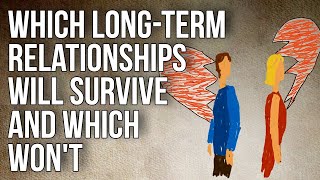
Which Long-term Relationships Will Survive and Which Won't - The School of Life
1. Summary
This video from The School of Life aims to demystify why some long-term relationships endure while others fail. It argues that while breakups can seem like a cruel lottery, there's a fundamental, reducible reason behind them. The core idea presented is that relationships break down when one or both partners fail to develop a sufficient "emotional infrastructure" to manage the inherent difficulties and stresses of long-term cohabitation. This infrastructure is built through the development of specific emotional skills and perspectives that allow partners to navigate conflict, disappointment, and routine without succumbing to resentment or a loss of affection. Ultimately, survival hinges not on external factors or initial passion, but on the internal capacity of individuals and the couple to foster mutual understanding, forgiveness, and a positive framing of their shared life.
2. Key Takeaways
* **Breakups are not random:** There are underlying, often reducible, reasons for relationship failure.
* **The core issue is a lack of "emotional infrastructure":** Relationships falter when partners don't develop the skills to manage inevitable difficulties.
* **Relationships require active maintenance of emotional capacity:** Survival depends on cultivating specific psychological and emotional resources.
* **Three key areas of deficiency that lead to breakdown:**
* **Inability to manage disappointment:** Failing to accept that partners will not always meet expectations.
* **Lack of self-knowledge and empathy:** Not understanding oneself or one's partner well enough to navigate conflicts constructively.
* **Absence of gratitude and a positive framing:** Overlooking the good and focusing solely on the negative aspects of the relationship.
* **Survival is about developing emotional maturity and resilience:** It's about learning to frame challenges positively and fostering a sense of shared purpose and appreciation.
* **The wedding day promise is insufficient:** Initial good intentions are not enough; ongoing emotional work is crucial.
3. Detailed Notes
A. The Mystery of Relationship Survival and Dissolution
* **Apparent Lottery:** From an outsider's perspective, it can seem like a random chance whether a couple stays together or breaks up.
* **Wedding Day Intentions:** All couples begin with a shared desire to make the relationship work.
* **Unexplained Dissolution:** Despite these intentions, some relationships inexplicably dissolve.
* **Reducing the Terrifying Element of Chance:** The video aims to explain the fundamental reasons for breakups to encourage proactive work on relationships.
B. The Fundamental Reason for Breakups: Lack of Emotional Infrastructure
* **Reductive Approach:** The video proposes simplifying the reasons for breakups to their core.
* **Emotional Infrastructure:** The fundamental issue is the *failure to develop a sufficient emotional infrastructure*. This refers to the psychological and emotional resources individuals and couples need to navigate the inherent challenges of long-term relationships.
* **What is this Infrastructure For?** It's about managing:
* Disappointment
* Conflict
* Routine
* Boredom
* The gradual erosion of idealization
C. Three Pillars of Deficiency Leading to Breakup
The video identifies three core areas where a lack of emotional infrastructure manifests, leading to a relationship's demise:
1. **Failure to Manage Disappointment:**
* **The Ideal vs. The Real:** All relationships are born from an idealization of the partner and the relationship. This initial phase is exciting but unsustainable.
* **The Inevitable Fall:** As reality sets in, partners will inevitably fail to meet expectations, behave imperfectly, and cause minor (or major) hurts.
* **The Breakdown:** Relationships break down when individuals *cannot tolerate or adequately process this disappointment*. They get stuck in a cycle of resentment, seeing their partner solely through the lens of their failures.
* **The Solution (Implied):** Developing the capacity to accept imperfection, forgive, and adjust one's expectations without losing affection.
2. **Lack of Self-Knowledge and Empathy:**
* **Blind Spots:** We often don't truly understand ourselves or our partners. We project our own issues, fears, and needs onto them.
* **Misunderstanding Motivations:** Without deep self-awareness and empathy, we misinterpret our partner's actions and intentions, leading to conflict and alienation.
* **The Breakdown:** When partners don't know *why* they are acting a certain way, or can't understand *why* their partner is acting a certain way, communication breaks down, and a sense of being fundamentally misunderstood grows.
* **The Solution (Implied):** Cultivating introspection, seeking to understand one's own patterns, and actively trying to see things from the partner's perspective. This involves developing curiosity about the other person.
3. **Absence of Gratitude and Positive Framing:**
* **The Negativity Bias:** Humans have a tendency to focus on what's wrong rather than what's right. This is amplified in long-term relationships where the good can become invisible through familiarity.
* **The Breakdown:** When partners stop noticing or acknowledging the positive contributions, kindness, and effort of their partner, the relationship feels unappreciated and depleted. The focus shifts entirely to the flaws and irritations.
* **The Breakdown:** This leads to a cynical and ungenerous view of the relationship, making it impossible to sustain positive feelings.
* **The Solution (Implied):** Actively practicing gratitude, consciously looking for and acknowledging the good, and developing a narrative that frames the relationship's challenges as shared growth experiences rather than insurmountable problems.
D. The Core Task: Developing Emotional Maturity and Resilience
* **Not About External Factors:** Survival is less about avoiding problems and more about the internal capacity to *deal with* problems.
* **Building the Infrastructure:** It's an ongoing project of developing:
* Realistic expectations.
* Self-understanding and empathy.
* The ability to appreciate and frame things positively.
* **The "Good Enough" Relationship:** The goal isn't a perfect relationship, but one where partners can navigate difficulties with mutual respect and affection.
* **The Wedding Vow is a Starting Point:** The promise to make it work needs to be backed by continuous emotional effort and growth.
* **The Outcome:** Relationships that survive are those where partners have successfully built and maintained this robust emotional infrastructure, allowing them to weather the storms of life together.
Related Summaries
![[캡컷PC]0015-복합클립만들기분리된영상 하나로 만들기](https://img.youtube.com/vi/qtUfil0xjCs/mqdefault.jpg)

Why this video matters
This video provides valuable insights into the topic. Our AI summary attempts to capture the core message, but for the full nuance and context, we highly recommend watching the original video from the creator.
Disclaimer: This content is an AI-generated summary of a public YouTube video. The views and opinions expressed in the original video belong to the content creator. YouTube Note is not affiliated with the video creator or YouTube.